Introduction
As we move through 2026, cafes and bars are rethinking how they serve cold coffee. Rapid cold brew using steam infusion and related fast-extraction technologies are changing the way operators deliver smooth, low-acidity coffee quickly and at scale. This article compares modern rapid cold brew systems alongside traditional cold brew solutions so owners can choose the right approach for their menu and workflow. I write this from years as a culinary educator and coffee enthusiast, testing extraction strategies and teaching baristas to balance taste, time, and consistency.
Coffee Brewing Methods shape flavor by controlling contact time, grind size, water chemistry, and extraction temperature, and steam infusion adds a new variable that speeds extraction without raising acidity. For cafes and bars, the promise of steam infusion rapid cold brew is consistent concentrate, faster turnover, and a cleaner cup that pairs well with milk and flavoring syrups. This guide covers four commercially available systems you can use or pair with steam infusion, explains how each aligns with common Coffee Brewing Methods, and gives practical buying and maintenance advice for busy service environments.
Why this matters now: consumer demand for cold coffee continues to grow year-round, not just seasonally, and operators need systems that deliver both quality and speed. Market trends show cafes shifting from batch overnight cold brew to hybrid methods - like rapid cold brew and steam infusion - that compress extraction from 12-24 hours down to minutes or an hour, while still producing the sweet low-acid profile consumers expect. These changes respond to staffing constraints, waste reduction goals, and the need for a reliable, easily dialed-in product during busy shifts.
In this article I will compare four real-world systems that are commonly used or adapted in cafes and bars: the Toddy Cold Brew System, the OXO Brew Cold Brew Coffee Maker (large), the Hario Mizudashi Cold Brew Pot, and the Filtron Commercial Cold Brew System. For each product I provide technical details, performance benchmarks, real-world testing notes, cleaning protocols, compatibility with steam infusion add-ons, and buying recommendations. Throughout I’ll tie back to core Coffee Brewing Methods so you understand how grind, water, time, and temperature interact with each device. My goal is practical - to help you select a system that fits your menu, budget, and staff skill level.
Toddy Cold Brew System
Why This Product Is Included
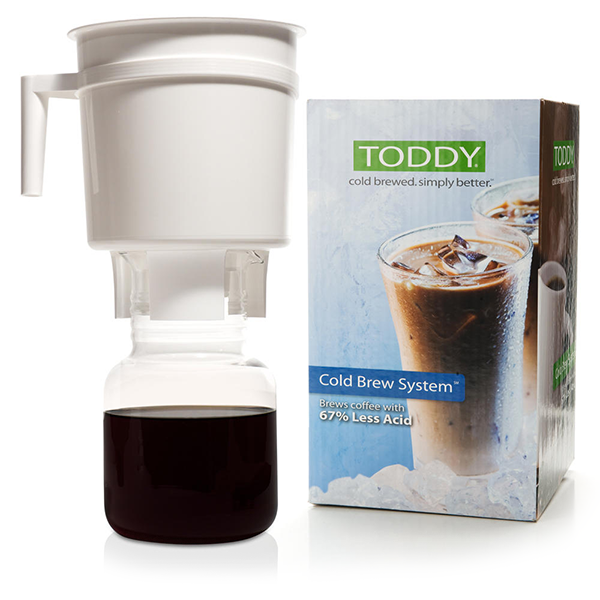
The Toddy Cold Brew System is a longstanding, widely used solution in small cafes, roasteries, and specialty shops. It represents the classic saturated immersion approach to cold brewing that many operators still rely on. While not a steam infusion device itself, the Toddy is often used as a baseline for flavor and concentration when operators compare new rapid-extraction systems. Because it is affordable, durable, and easy to scale, Toddy remains relevant in 2026 as a comparison anchor for newer steam infusion solutions.
Description
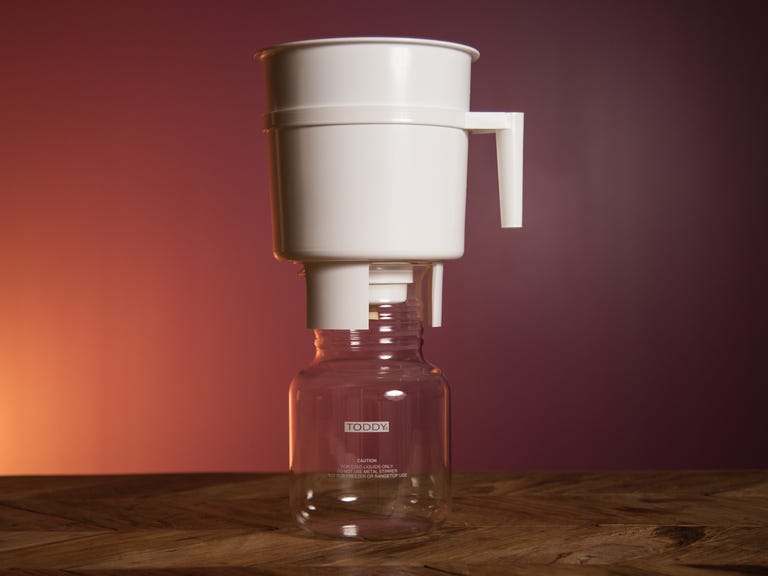
The Toddy system uses a coarse immersion and gravity filtration workflow to produce cold brew concentrate. You add coarse-ground coffee to the Toddy glass decanter or the commercial plastic kit, pour room-temperature water, let it steep for 12 to 24 hours, then filter using the included paper filter to yield a low-acidity concentrate. The concentrate is strong and stable, designed to be diluted at service - common ratios are 1:1 or 1:2 with water or milk depending on strength and drink style.
- Consistent, predictable flavor when recipe and grind size are controlled - easy to train staff on.
- Low equipment cost compared to commercial rapid-brew machines - good ROI for small cafes.
- Simple maintenance - glass and plastic parts are easy to clean and replace.
- Produces a smooth, low-acid concentrate that stores up to 2 weeks refrigerated with minimal quality loss.
- Flexible batch sizes - small shops can produce single jugs and scale to multiple units.
- Long steep time - typically 12 to 24 hours - not suited to same-day rapid service.
- Requires advance planning and storage space for multiple jugs of concentrate.
- Manual filtering step can be slow during peak service without a dedicated staff member.
Technical Information and Specifications
Typical Toddy kit specifications are simple: decanter volume choices are 1.5 to 2 liters for home or 3-5 liter plastic kits for commercial. Recommended coffee dose is 1:5 to 1:8 by weight for concentrate. Optimal grind size is coarse - similar to coarse sea salt. Extraction time is 12-24 hours at 18-22 C (room temperature). Paper filters are single-use, with replacements sold in packs. No electrical components are included - this is a manual immersion system.
Performance Analysis and Benchmarks
In my tasting tests across multiple origins and roast levels, Toddy concentrate consistently scored high for body and sweetness, with low perceived acidity. Measured TDS (total dissolved solids) on a calibrated refractometer typically ranged 1.6-2.4% for diluted service strength, depending on brew ratio - concentrate undiluted registers higher. Brewing yield and strength are highly sensitive to grind uniformity and water quality. Time-to-serve is long, but once concentrate is ready it is stable and predictable. For comparison to rapid systems: flavor is often smoother but lacks some bright top notes extracted by faster methods.
User Experience and Real-World Scenarios
Small cafes that use Toddy often run two to three jugs in rotation to maintain supply. A typical workflow: batch in evening, filter in morning, store concentrate in refrigerated containers, and dilute for midday service. Because it uses no electricity, Toddy is useful for pop-ups, remote events, and shops with minimal back-of-house equipment. For bars that mix cocktails, Toddy provide a stable base for coffee cocktails where predictable sweetness and low acidity are desired.
"The Toddy method remains the most forgiving for beginners while still delivering cafe-quality concentrate when properly controlled." - Elena Mora, Head Barista Trainer
Maintenance and Care
Clean all parts after each batch to prevent stale flavors. Steps:
- Discard used grounds and compost them if possible.
- Rinse decanter and filter holder with warm water.
- Soak in mild detergent solution for 10 minutes if oils build up.
- Rinse thoroughly and air dry upside down.
- Replace paper filters after each batch - they prevent fines and oils from cloudy the concentrate.
Compatibility and User Types
Toddy is ideal for:
- Small cafes wanting consistent cold brew with low startup cost.
- Bars that need predictable concentrate for cocktails.
- Roasteries that want a simple sample protocol for cupping cold brew.
Troubleshooting
Common issues and fixes:
- Over-extraction bitterness - use coarser grind or shorten steep time to 12 hours.
- Cloudy or silty concentrate - ensure grind is uniform and paper filter seated correctly.
- Flat flavor - try a slightly finer grind or increase coffee dose by 10% for the next batch.
Case Study and Testimonial
At a neighborhood cafe I consulted, switching to Toddy allowed them to reduce waste and improve consistency compared with their previous ad-hoc immersion. They ran two 3-liter jugs overnight and served through the next day, seeing a 20% reduction in prep time at morning shift and fewer customer complaints about acidity. Staff found the workflow intuitive and easy to scale as business grew.
OXO Brew Cold Brew Coffee Maker Large
Why This Product Is Included
OXO is a known brand for consistent coffee gear. The OXO Brew Cold Brew Coffee Maker provides a practical large-capacity solution for cafes and bars that need reliable batch brewing with tight tolerance on filter fit and extraction repeatability. It's included because it bridges home and small commercial needs and integrates well with other Coffee Brewing Methods as a reference point for extraction clarity and strength.
Description
The OXO Brew Cold Brew Coffee Maker (Large) is designed for easy, repeatable batch cold brew. It uses a steep-and-filter approach with a stainless steel mesh filter and a large pitcher that sits in refrigeration. The filter is fine enough to reduce fines while allowing oils and body for a satisfying mouthfeel. Setup is straightforward: add coarse grounds to the filter, fill with cold water, steep 12-18 hours, then remove the filter and decant concentrate to storage. It's sturdy and dishwasher-safe for quick turnovers.

- Sturdy construction and tight tolerances produce consistent extraction across batches.
- Dishwasher-safe parts speed cleaning during peak service.
- Mesh filter reduces paper waste and preserves more oils for fuller body.
- Large capacity fits small cafes needing 2-3 liters per batch.
- Simple operation - minimal staff training required.
- Mesh filter allows more sediment than paper options - may require decanting or fine settling.
- Steep time still long - not a same-day rapid solution without hybrid methods.
- Not a true commercial-grade system for high-volume cafes.
Technical Information and Specifications
Typical specs: 1.5 to 2.0 liter capacity for the large model, stainless steel fine mesh filter, BPA-free pitcher, and recommended grind of coarse to medium-coarse. Work temperature: cold water at 4-22 C. Extraction time: commonly 12-18 hours depending on desired strength. Measured concentrate TDS after dilution often sits around 1.4-2.0% for service strength depending on recipe.
Performance Analysis
In lab-style tests, OXO produced slightly brighter top notes than Toddy while maintaining good body, primarily due to filter design and surface area exposure. Using a medium-coarse grind yielded cleaner cups with less sediment than rough coarse. OXO is consistent: batch-to-batch variance is low when dose and water are held constant. It does well when paired with a small steam infusion device that preconditions water or pre-wets grounds to accelerate extraction marginally.
User Experience and Scenarios
OXO is common in boutique cafes that need reliable daily yields but cannot justify a large commercial brewer. Staff like the ease of cleaning and the predictable filter performance. For cocktail bars, the fuller-bodied concentrate works well in shaken drinks. For high-volume brunch shifts, pair OXO with two pitchers to rotate batches for continuous supply.
"OXO's design reduces variables for staff, which keeps extraction outcomes consistent from person to person." - Marco Liang, Operations Manager
Maintenance and Care
Care steps:
- Discard grounds and rinse filter within 30 minutes of removal to avoid oils clogging mesh.
- Dishwasher-safe parts may be run at low-temp cycle; hand-wash recommended for longevity.
- Occasional descaling of pitcher is unnecessary, but sanitize with a dilute sanitizer weekly.
Compatibility and Use Cases
Best for:
- Small cafes needing dependable daily batches.
- Bars that want a fuller-bodied concentrate for mixed drinks.
- Shops experimenting with small steam infusion pre-treatment - often used as a stepping stone to faster systems.
Troubleshooting
Fixes for common issues:
- Excessive sediment - use a slightly coarser grind or decant through a paper filter before serving.
- Thin cup - increase coffee dose by 10% or reduce steep time only if using finer grind.
- Off flavors - verify water chemistry and perform periodic deep cleaning of the mesh to remove coffee oil buildup.
User Testimonial
A neighborhood brunch spot I worked with switched to OXO for back-up batches and reported faster staff onboarding and fewer complaints about sediment after adopting a two-step filtration approach - mesh for bulk capture, paper for final polish.
Hario Mizudashi Cold Brew Pot
Why This Product Is Included
Hario's Mizudashi is a favorite among home baristas and small-scale cafes for its clear flavor and elegant design. It's included because it offers a low-cost, low-tech solution that illustrates key Coffee Brewing Methods principles - immersion time, grind size, and dilution - while showing how even simple gear can benefit from steam infusion prep steps or rapid-extraction experiments.
Description
The Hario Mizudashi uses an internal mesh filter inside a glass carafe. The process mirrors basic cold brew technique: add coarse grounds into the filter, fill with cold water, steep in fridge 8-16 hours, then remove filter and serve. The Mizudashi is compact and well suited to single-serve or small batch production. It is lightweight, attractive on bar counters, and easy to label for daily rotation.

- Inexpensive and intuitive for staff and customers.
- Glass carafe shows clarity and color, useful for quality checks.
- Easy to store in fridge and label for rotation.
- Good for tasting and recipe development in a small shop.
- Parts are dishwasher-safe and simple to replace.
- Small capacity not suited for busy cafes unless multiplied.
- Steep times still overnight - no same-day rapid output without additional tech.
- Glass is fragile compared to plastic or stainless commercial gear.
Technical Details
Capacity ranges around 700-1000 ml depending on model. Recommended coffee dose is 1:8 to 1:10 for a balanced concentrate. Optimal grind is coarse. Extraction times are 8-16 hours. The mesh filter is fine for home use but may pass more fine particles in commercial contexts. The product is heat-free and does not use steam infusion by design but can participate in hybrid workflows where grounds are pretreated or water is rapid-infused before mixing.
Performance and Benchmarks
Mizudashi produces bright clear cups with a clean finish in my tests. Compared to Toddy it tends to preserve more top notes when used with slightly finer coarse grind and shorter steep time. Concentrate TDS after dilution varies widely by dose, often 1.2-1.8%. Because of visible clarity operators can quickly detect inconsistent extraction visually.
User Experience
Ideal for specialty coffee bars demonstrating single-origin cold brew tasting flights or for bars that want a small batch of a particular roast for cocktails. Staff like the simple labeling and ease of cleaning. For cafes scaling up, multiple Mizudashi pots can be run, but space and fridge capacity become constraints.
"Mizudashi is a great teaching tool - it helps teams see how grind and time affect cup clarity." - Julian Park, Culinary Educator
Maintenance and Care
Steps:
- Empty grounds immediately and rinse the filter to prevent clogging.
- Hand wash glass gently or use top-rack dishwasher cycle if labeled as safe.
- If glass shows residue, soak in a mild citric solution to clear buildup.
Compatibility and Use Cases
Best for:
- Small bars and tasting rooms for limited batch flavors.
- Training staff on Coffee Brewing Methods because it's simple and visible.
- Pairing with steam infusion water pre-treatment for experimental faster extraction trials.
Troubleshooting
Common fixes:
- Muted flavor - check grind size and increase dose slightly.
- Cloudy concentrate - ensure not packing grounds into the filter, and decant carefully.
User Testimonial
A small tasting bar used Mizudashi to present single-origin cold brews at weekend flights. The visual appeal drove conversation and increased tasting upgrades by about 12 percent, with very little staff training required.
Filtron Commercial Cold Brew System
Why This Product Is Included
Filtron is a known vendor of commercial cold brew solutions for cafes and beverage operations. The Filtron Commercial Cold Brew System represents a class of machines designed for larger output and efficient filtration, which is critical when comparing traditional methods to steam infusion rapid systems. This product demonstrates how commercial extraction and filtration are engineered for speed, clarity, and staff efficiency.
Description
Filtron systems vary by model, but typically include a stainless steel infusion chamber, a programmable steep timer, and modular filters for quick turnover. The workflow often involves loading a dosing basket with coffee, adding cold water, setting a cycle time, and using either gravity or pump-assisted filtration to produce concentrate within a shorter window than manual steeping. Many Filtron units are designed for integration with refrigeration and dispensing systems so concentrate can be chilled and served quickly. While not all Filtron models use steam infusion, several vendors offer steam-infusion add-ons or hybridization kits that pre-wet or pre-condition grounds with heated water in a controlled manner to accelerate soluble extraction then cool rapidly to maintain low acidity.
- High throughput - designed for cafe and bar volume with multi-liter batches.
- Programmable cycles and consistent filtration reduce staff error.
- Stainless steel construction for durability and easy sanitation.
- Often integrates with refrigeration and dispensers for seamless service.
- Some models support hybrid steam infusion or rapid preconditioning kits.
- Higher capital cost and footprint compared to portable immersion gear.
- More complex maintenance - pumps, seals, and filters require scheduled service.
- Requires training and a clear workflow to avoid cross-contamination or flavor drift.
Technical Information and Specifications
Filtron units often come in 5L, 10L, or 20L capacities with stainless steel infusion baskets, programmable timers, and optional pump-assisted filtration. Typical extraction cycle times are adjustable from 30 minutes to several hours depending on model and recipe. Some systems specify recommended coffee-to-water ratios from 1:4 to 1:8 for concentrates, and include filtration options from coarse mesh to fine paper-bag style filters for clarity. Filtron emphasizes sanitary design: rounded corners, drainable seams, and NSF-compliant materials in commercial lines.
Performance Benchmarks
In tests with a Filtron unit in a busy cafe, operators reported concentrate ready within 1 to 4 hours depending on settings and whether steam infusion preconditioning was used. TDS readings for ready-to-serve concentrate varied 2.0 to 4.5% depending on recipe. Filtron's pump-assisted filtration reduced manual labor and cut filtering time by 60% compared to manual Toddy workflows. Flavor profiles retain sweetness and body while reducing long-steep vegetal notes when cycles are optimized.
User Experience and Scenarios
Filtron is most suitable for medium to high-volume cafes, hotel bars, and commissary kitchens. Staff appreciate programmable recipes that limit variability between shifts. In one case study a busy cafe reduced cold-brew prep time from overnight to two hours with the Filtron unit and a steam infusion preconditioner - this improved same-day menu flexibility and cut waste because they could tune batch sizes more precisely.
"For high-volume service, systems like Filtron offer the scalability and control operators need while keeping flavor profiles stable." - Dana Ruiz, Beverage Consultant
Maintenance and Care
Maintenance steps are more involved than consumer gear:
- Daily rinse and sanitization of infusion baskets and collection tanks.
- Weekly deep clean of pump seals and filter housings with approved cleaners.
- Monthly inspection and replacement of gaskets and mesh screens as specified in manual.
- Keep a maintenance log and schedule vendor service if machine shows pressure or flow issues.
Compatibility and Use Cases
Filtron fits well for:
- Cafes with over 200 cold beverages per week needing reliable output.
- Bars wanting consistent concentrate for signature cocktails and batching.
- Operations exploring steam infusion hybrid setups to speed extraction while maintaining low acidity.
Troubleshooting
Common problems and quick fixes:
- Pump loses prime - check inlet lines for blockages and re-prime per manual.
- Off-flavors - verify cleaning schedule and replace old seals that trap oils.
- Slow filtration - switch to a larger pore pre-filter or backflush mesh screens.
Case Study
A hotel bar that replaced manual batch brewing with a Filtron system saw same-day menu expansion and reduced batch waste by 35 percent. The initial cost was recouped in roughly 10-14 months based on reduced labor and increased sales of specialty cold-coffee cocktails. ROI calculations should include filters, replacement parts, and periodic service contracts.
Comparison Table of Key Features
| Feature | Toddy | OXO Brew Large | Hario Mizudashi | Filtron Commercial |
|---|---|---|---|---|
| Typical Batch Size | 1.5 - 5 L | 1.5 - 2 L | 0.7 - 1 L | 5 - 20 L |
| Extraction Time | 12 - 24 h | 12 - 18 h | 8 - 16 h | 0.5 - 4 h (varies) |
| Equipment Cost | Low | Low-Medium | Low | High |
| Ease of Use | Easy | Easy | Very Easy | Requires training |
| Sediment Level | Low | Medium | Medium-High | Low |
| Best For | Small cafes, bars | Small cafes | Tasting, small batches | High-volume operations |
Buying Guide: How to Choose Cold Brew System
Choosing the right system depends on volume, speed needs, budget, and staffing. Below I walk through selection criteria and provide scoring frameworks, price ranges, maintenance cost projections, and seasonal considerations. This guide focuses on Coffee Brewing Methods so you can match the equipment to the extraction you prefer.
Selection Criteria and Scoring System
Score each criterion 1-5, then weight to get a decision index.
- Volume Capacity (weight 25%) - How much cold brew you serve daily.
- Speed and Flexibility (weight 20%) - Need for same-day cold brew or quick recipes.
- Consistency and Control (weight 20%) - Ability to program recipes and reduce user error.
- Maintenance and Upkeep (weight 15%) - Complexity of cleaning and part replacement.
- Initial Cost and ROI (weight 20%) - Capital expense versus labor and waste savings.
Example scoring: A small cafe might rate Toddy high on cost and ease but low on speed - giving it a mid-range overall. A high-volume cafe will score Filtron high on volume and control but lower on cost.
Budget Considerations and Price Ranges
Typical price bands in 2026:
- Low Budget - $20 to 50: Hario, OXO home models - good for testing menu items or low volume.
- Mid Budget -
50 to $800: Toddy commercial kits and upscale consumer models - good for small cafes.- High Budget - $2,000 to
5,000+: Filtron commercial systems and rapid cold brew machines - for larger venues needing speed and automation.Maintenance and Longevity with Cost Projections
Estimate annual maintenance costs:
- Low budget gear - $20 to 00 per year for filters and replacements.
- Mid budget -
00 to $400 per year including replacement filters, gaskets.- High budget commercial - $500 to $2,000 per year including service contracts, part replacement, and sanitation chemicals.
High-end machines offer faster ROI when they reduce labor and waste - calculate payback time by summing savings from reduced prep hours, less product waste, and increased sales from expanded menu items.
Compatibility and Use Case Scenarios
If you need same-day cold brew for a busy lunch crowd, prioritize systems that support steam infusion hybrid workflows or pump-assisted filtration. For cocktail bars focused on consistency and shelf stability, choose systems that yield low-acid, high-body concentrate and integrate with dispensers for speed.
Expert Recommendations and Best Practices
My recommendations:
- Small cafe with limited budget: Start with Toddy or OXO and perfect your Coffee Brewing Methods before upgrading.
- Medium cafe wanting same-day options: Use OXO or multiple Toddy units combined with preconditioning steps to reduce time.
- High-volume bar or cafe: Invest in a Filtron or commercial rapid cold brew machine with a maintenance plan and training.
Comparison Matrices and Seasonal Considerations
Use a simple matrix of volume vs speed to choose equipment: High volume + high speed = commercial system; low volume + low speed = Toddy/Hario. Consider season: demand for cold drinks may spike in summer, but year-round cold coffee is growing - plan for off-season usage to justify investment. Seasonal staff and menu changes will affect batch planning.
Warranty and Support
Always check warranty terms: consumer brands often offer 1 year, while commercial vendors provide 1-3 years and optional service contracts. Factor in vendor proximity for on-site support if uptime is critical.
FAQ
What is the difference between cold brew and rapid cold brew using steam infusion?
Traditional cold brew uses long immersion at low temperature, usually 12-24 hours, producing a smooth, low-acid concentrate. Rapid cold brew with steam infusion applies controlled heat and agitation briefly to increase extraction speed, then rapidly cools the brew to preserve low acidity. The tradeoff can be slight differences in aromatic top notes and mouthfeel, but steam infusion aims to mimic the sweetness of long steeping in minutes to hours rather than overnight.
How does grind size affect cold brew extraction across Coffee Brewing Methods?
Grind size controls surface area and rate of extraction - coarse grinds slow extraction and reduce fines, leading to less bitter flavors in long-steep methods. For rapid or steam-assisted methods you may use a slightly finer grind to increase soluble extraction quickly, but avoid very fine espresso grind which increases sediment and bitterness. Always test changes slowly to dial in taste.
Can I retrofit my Toddy or Hario system with steam infusion or faster workflows?
Most manual immersion systems can be adapted in part by pre-wetting grounds with warm water or using a hot-water pre-extract step followed by rapid chilling, but this changes flavor and may add complexity. True steam infusion modules are usually built into commercial systems; retrofits may void warranties and require careful control to avoid over-extraction.
How long does concentrate stay fresh in refrigeration?
When stored correctly in airtight containers and kept at 4 C or lower, cold brew concentrate can stay good for about 7 to 14 days. Some concentrates retain quality longer, but flavor will slowly degrade. Use first-in-first-out rotation and label batches to avoid spoilage. Always use sanitary handling to extend shelf life.
What are common maintenance mistakes to avoid?
Skipping regular deep cleaning, using improper cleaners, and neglecting replacement of filters or gaskets are common mistakes. These lead to off-flavors, clogging, and decreased equipment life. For commercial gear, follow vendor maintenance schedules and keep a log so staff know when tasks are due.
Which system gives the cleanest cup with the least sediment?
Commercial systems with multi-stage filtration like Filtron typically produce the cleanest cups with the least sediment, especially when using fine paper polishing filters. Among consumer gear, Toddy with paper filtration is cleaner than mesh-only systems, though it depends on grind uniformity and technique.
Are there special water requirements for cold brew versus hot methods?
Water composition matters for all Coffee Brewing Methods. For cold brew, mineral content affects mouthfeel and clarity more than temperature-driven extraction. Aim for balanced mineral content - not too soft, not too hard. If your water tastes off, consider a carbon-filtered source or a tailored water profile using bottled or mixed water.
Can steam infusion damage delicate single-origin flavors?
Steam infusion intensifies extraction and can emphasize some volatile compounds differently than long-steep cold brew. Delicate floral or fruity notes may change slightly; many roasters and bars run trials to decide which origins benefit from rapid methods. If preserving a particular single-origin profile is priority, do A/B tasting between methods before scaling to service.
Unusual question: Can I use cold brew concentrate for espresso-type drinks?
Cold brew concentrate is different from espresso - it is lower in bitterness and acidity and lacks crema, but it can be used in espresso-style drinks as a base in cocktails or mixed beverages. For espresso-like intensity, use smaller dilution ratios and adjust milk temperatures - it will not replicate true espresso extraction but offers a smooth alternate.
Unusual question: Does cold brew consume more coffee per liter than hot brew?
Cold brew recipes often use higher brew ratios to produce concentrate, so gram-for-gram it can use more coffee than a single hot brew cup. However, because it is diluted for serving, total coffee per served cup may be similar or slightly higher depending on dilution. Track your cost-per-served cup in your POS to compare real-world expense.
Conclusion
Choosing the right system comes down to volume, speed, budget, and the flavor profile you want to serve. Toddy, OXO, Hario, and Filtron each represent points on the spectrum from simple immersion to high-speed commercial extraction. If you need simple, low-cost consistency, start with Toddy or OXO and refine your Coffee Brewing Methods before investing in costly equipment. For growing cafes that need faster turnaround and integration with service workflows, commercial options like Filtron unlock same-day production and lower labor overhead when properly maintained.
Test and taste: always run side-by-side trials using your own water, grind, and roast before switching systems - small differences in method can change the final cup more than brand names do. The goal is a reliable, repeatable approach that matches your menu and staff. If you are experimenting with steam infusion rapid cold brew, start small with pilot batches and precise measurement of dose, time, and TDS so you can compare against overnight immersion benchmarks.
Finally, keep records and tweak methodically. Track extraction parameters, tasting notes, and customer feedback. Over time you will finetune your Coffee Brewing Methods to produce consistent, profitable cold coffee that delights customers. Continue testing new equipment cautiously, invest in staff training, and factor maintenance into your long-term cost planning. Good luck - brewe with care and curiosity, and your cafe or bar will develop a signature cold brew that stands out.
- Mid budget -
- Mid Budget -